Prices are estimates. How we get them
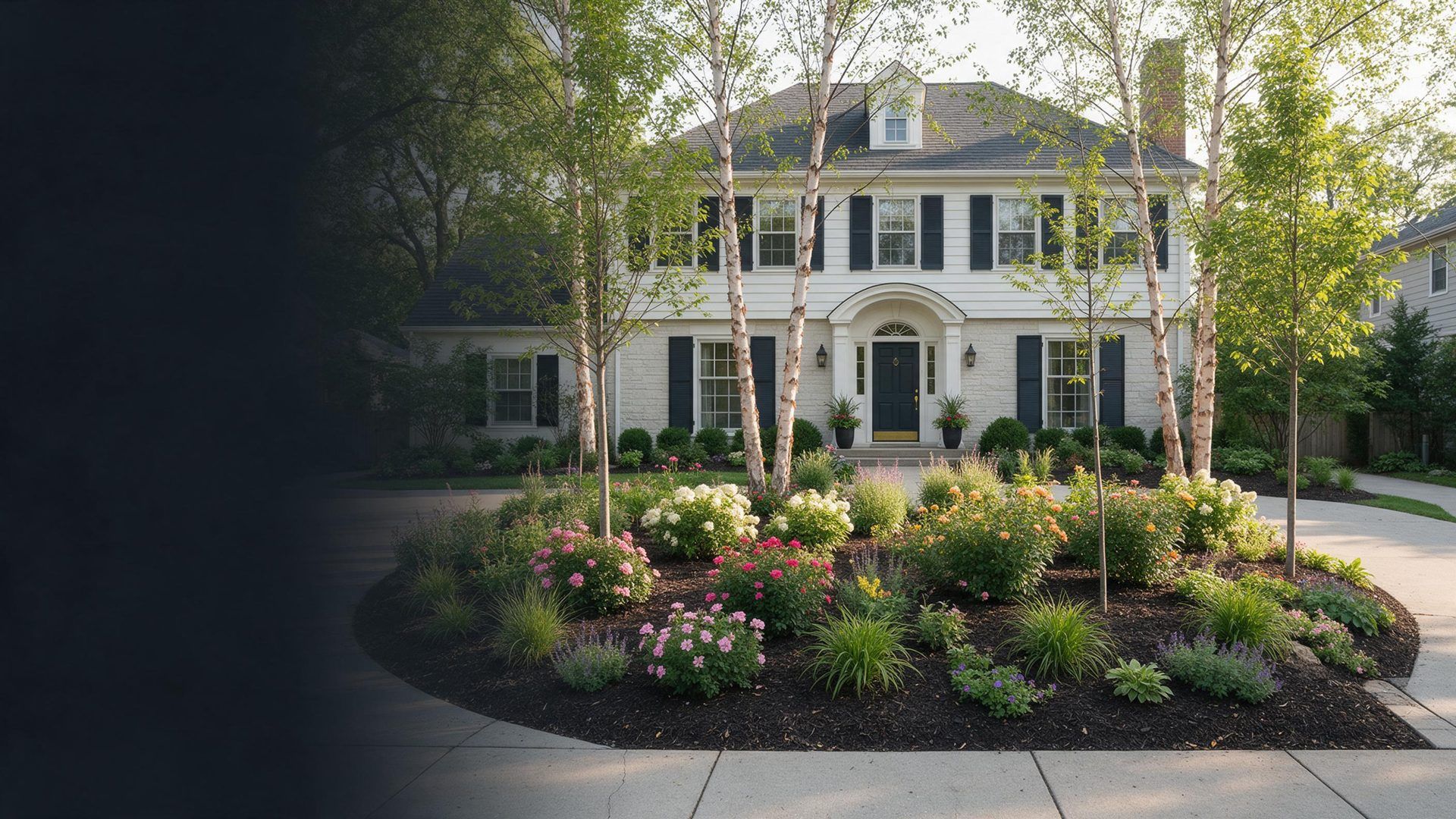
Trees, shrubs, planting beds, and softscape serving Edina, Bloomington, Minnetonka, and Eden Prairie. Local crew, honest quotes, fast response.
Call Get a free quoteLocal pros handle planting and softscape across Edina and the surrounding Hennepin County area. From older neighborhoods like Country Club District and Morningside to newer homes in Interlachen and Bloomington, our local crew does the job start to finish.
Edina sits along the lake country southwest of Minneapolis, with glacial soils and mature trees. The area sees long snowy winters, a short growing season, and warm summers, and that weather is hard on plants, so choosing the right ones for local conditions is the key to success.
Local pros give written quotes before work starts, and you can ask each one about insurance and cleanup.
Designed and planted beds with shrubs, perennials, and grasses that fit your home.
Shade, ornamental, and privacy trees planted the right way for long-term health.
Removing tired, overgrown shrubs and replacing them with better choices.
Edging, weeding, and fresh mulch or rock that make beds look new again.
Annuals and containers for color through the seasons.
Evergreens and layered plantings that block views and noise.
Plants make a house feel like home. The right trees, shrubs, and flowers soften hard edges, add color and privacy, and help your property stand out. In Edina, the best plantings are chosen for local soil and weather, so they stay healthy and look good year after year.
Local pros plant and refresh landscapes for homes across Hennepin County, from Country Club District and Morningside to Highlands and nearby towns like Bloomington and Minnetonka. Some clients want brand-new beds. Others want to replace overgrown shrubs, add shade trees, or simply clean up and mulch tired beds. Every project starts with a clear plan and a written price.
Local pros plant the right way, with proper spacing, soil preparation, and watering instructions, so your new plants have the best chance to thrive.
Bed design and planting with layered shrubs, perennials, and grasses.
Tree planting for shade, privacy, and ornamental interest.
Replacing overgrown or dying shrubs with better-suited plants.
Edging, weeding, and fresh mulch or rock to make beds look new.
Seasonal color with annuals and container plantings.
Evergreen privacy screens that look natural, not like a wall.
Local pros start with a visit to look at your yard, sun, soil, and existing plants, and to talk about the look you want. Then local pros create a planting plan and a clear written price.
On planting day, local pros prepare the beds, place plants for your approval, plant them properly, and finish with mulch or rock. Local pros clean up completely and leave you with watering instructions.
Edina sits along the lake country southwest of Minneapolis, with glacial soils and mature trees. The area sees long snowy winters, a short growing season, and warm summers. Those conditions decide which plants thrive and which struggle. Local pros choose plants that handle the local climate, and they plan beds so they look good through the seasons, not just the week they're planted.
Ask what plants they recommend and why, how they prepare the soil, and what their plant warranty covers. A good company will help you pick the right plant for the right spot and explain how to care for it.
That's how local pros approach every project, from a small entry bed in Indian Hills to a full yard makeover near Eden Prairie.
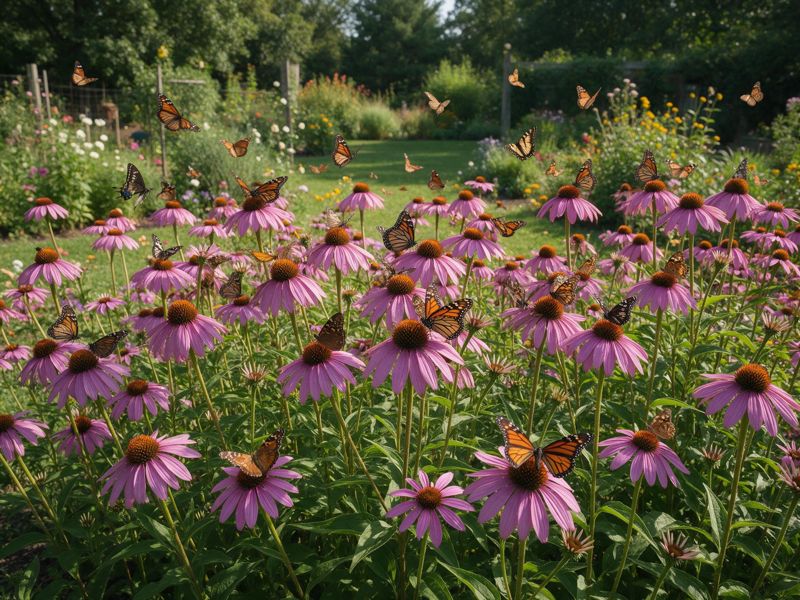
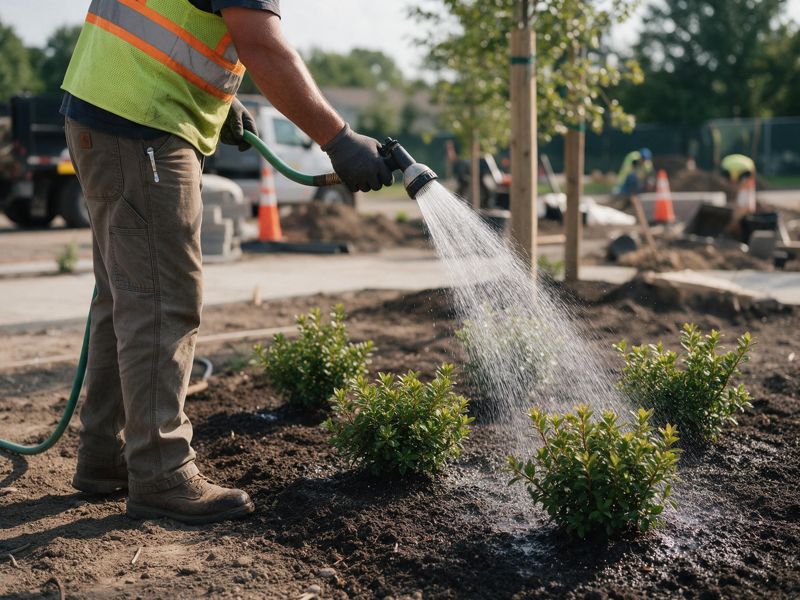
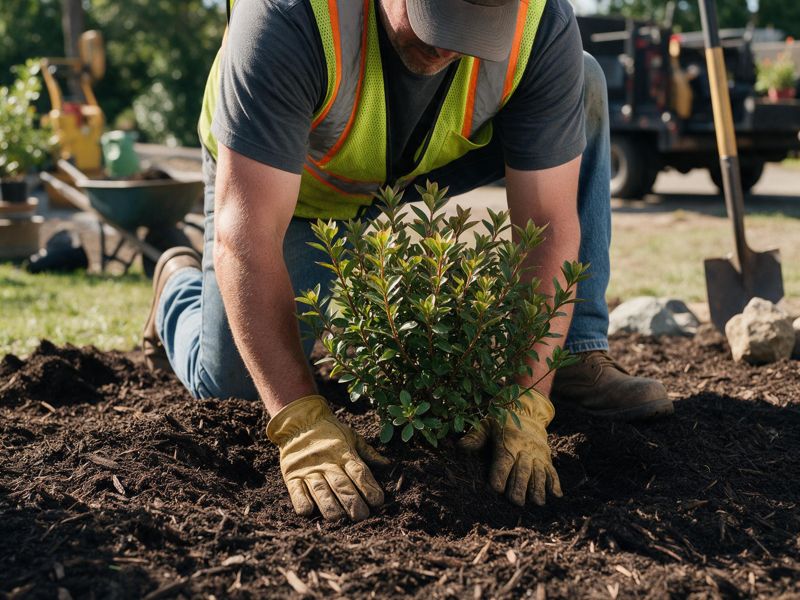
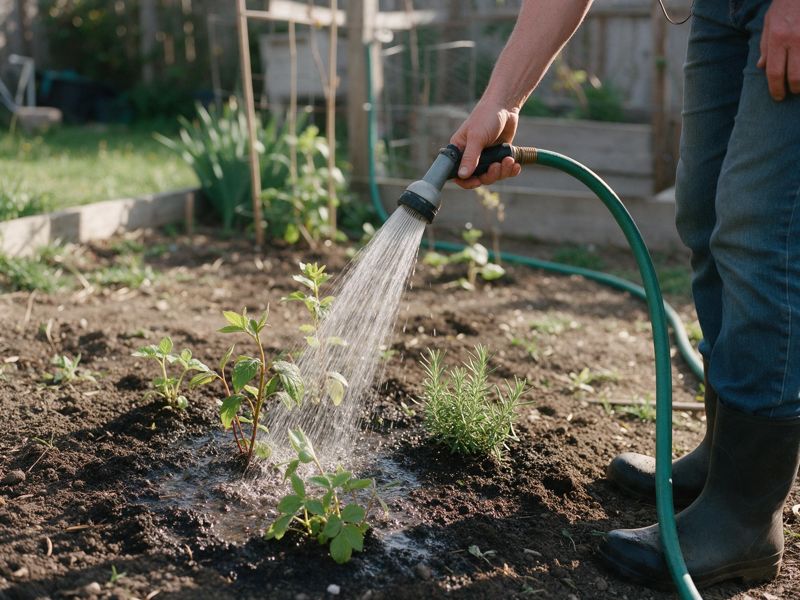
New planting beds in the Edina area usually run about $1,500 to $8,000 depending on size and plant sizes. Installed shrubs often cost about $50 to $200 each, and trees usually run a few hundred dollars or more each depending on size. Fresh mulch often costs about $50 to $100 per cubic yard installed. A local pro will give you a clear written price before any work starts.
Spring and fall are usually best for most trees and shrubs, but many plants can go in any time the ground isn't frozen.
Local pros explain our plant warranty up front and give you watering instructions to help new plants thrive.
Most beds look best with a fresh layer of mulch about once a year.
Yes. Replacing old shrubs is one of the fastest ways to refresh the look of a home.
Yes. Local pros pick plants that fit the local climate and how much care you want to give them.
Yes. Local pros design layered evergreen plantings that give privacy without looking like a wall.
A planting plan should account for how large each plant will become, not only how it looks in a nursery pot. Check mature width near walks, driveways, windows, and neighboring plants. Think about overhead branches and room for routine pruning. Plants placed too close together may need frequent cutting or removal as they grow, which can add costs later.
Before digging, arrange for underground utilities to be located through the appropriate utility-locating service. Marked lines help the crew plan bed edges and planting spots, but private lines such as some irrigation or lighting systems may need separate attention. Point out anything you know about buried lines, drain pipes, or cables when the site is reviewed.
Notice where rainwater flows and where it tends to sit after a storm. A low area, a downspout outlet, or compacted ground can affect which plants will do well there. Planting beds should not block drainage paths or direct water toward the house. If a spot stays wet, discuss the cause before choosing plants or adding soil.
Existing trees need room for their roots as well as their branches. Avoid placing a new bed so close to a mature trunk that digging would require cutting large roots. Keep heavy equipment and deep soil additions away from sensitive root areas when possible. A planting plan that respects established trees can help avoid damage that is difficult to repair.
Ask each company to identify the plants included in the estimate, with quantities and useful size details. Names and sizes make it easier to compare proposals and spot substitutions. For trees, ask how the quoted size is described; for shrubs and perennials, ask about container size or another clear measure. If a specific plant is unavailable, agree on how an alternative will be approved.
Check what site preparation includes. One quote may include removing old plants, hauling debris, shaping bed edges, soil work, and mulch, while another may cover planting only. Ask whether delivery, access limitations, and cleanup are included. A written scope helps you understand what you are paying for and reduces confusion if the plan changes after work begins.
Plant size is only one part of value. Larger plants can make an immediate visual impact, while smaller stock may be easier to handle and can establish well when planted and cared for properly. Compare the plant list, preparation, installation details, and follow-up instructions alongside the total. Ask questions about any allowance or item that is not clearly described.
Discuss access and protection before scheduling. Narrow gates, steps, steep areas, and finished paving can affect how materials reach the planting area. Confirm who moves or protects items in the work zone and how changes are priced if hidden conditions appear. These details are practical to settle in advance, especially when a project includes removal or substantial digging.
Planting depth matters. A tree's root flare, where the trunk widens into the first main roots, should remain visible at the soil surface rather than buried under soil or mulch. For shrubs, check that the root ball is not set too deep. Ask the installer to show you the finished grade before the hole is filled if you want to understand the placement.
Keep mulch in a broad, even layer rather than piling it against trunks or stems. Mulch touching bark can hold moisture against the plant and make inspection harder. Leave a small open space around the base, and avoid adding fresh layers on top of old mulch without checking the total depth. A tidy edge also helps keep mulch off nearby turf and walks.
Staking is not automatically needed for every new tree. It may help when a tree is unstable or exposed, but tight or long-term ties can rub the trunk and restrict movement. Ask why stakes are being used, how the ties will be checked, and when they should be removed. Pruning at planting should also be limited to damaged or necessary growth, not used to compensate for poor placement.
Plan for winter exposure as well as summer care. Road or walkway deicing materials can injure plants when salty runoff reaches beds, so consider where meltwater travels and avoid piling treated snow beside sensitive plantings. Keep snow storage in mind when choosing a bed location. After winter, inspect for broken branches and damage before deciding whether pruning is needed.
Yes. Underground utilities should be marked before digging, even for a small planting job. Contact the appropriate utility-locating service and point out private systems, such as irrigation lines or landscape lighting, that may not be included in public utility markings. Share any known drain lines or buried features during the site visit.
Compare the plant names, quantities, and sizes, along with removal, site preparation, delivery, mulch, cleanup, and any stated alternatives. Ask what happens if a listed plant is unavailable and whether changes require your approval. A lower total may cover less work, so compare the written scope rather than the headline price alone.
Look for the root flare, the widening point at the base of the trunk where the main roots begin. It should be at or close to the finished soil surface, not hidden under soil or mulch. If the trunk goes straight into the ground like a post, ask the installer to check the planting depth.
No. Many trees can stand without staking, while a loose root ball or exposed location may make support useful. If stakes are installed, ask how the ties will avoid rubbing the trunk and when they should be checked or removed. Staking should support the tree without holding it rigid indefinitely.
Use a broad, even layer, but do not pile mulch against trunks or shrub stems. Keep the base visible and check existing mulch before adding more, since layers can build up over time. Ask the crew what was applied and where the finished bed edge should sit relative to nearby turf or paving.
Larger plants can provide more immediate presence, but they may cost more and can be harder to move into tight spaces. Smaller plants can establish well when they suit the site and receive appropriate care. Compare plant size, installation scope, and the look you want rather than assuming the biggest option is always best.
Avoid routine heavy pruning just to make a new shrub look smaller or more uniform. Remove broken or damaged growth when needed, and ask about the needs of the specific plant before shaping it. Pruning timing differs among plants, so identify the shrub first rather than applying one schedule to every variety.
It can. Salty runoff or snow piled beside a bed may stress sensitive plants. Before planting, consider where meltwater flows and where treated snow is usually stored. If a planting is already there, keep snow piles away when practical and inspect plants in spring before deciding what care or replacement may be needed.
Tell us what you need and where. We usually reply the same day.
Prefer to talk? Tap to call
No obligation and no pressure.
Edina Planting Pros is an independent referral service that connects you with local landscaping and planting pros.
Open this site on your phone

Edina Planting Pros
edinaplantingpros.us
Point your phone camera at the code
Design your yard with Plot Vision AI — scan to try

Plot Vision AI
getplotvisionai.com
See your yard redesigned in minutes
